
Tips for Biological Children of Resource Parents
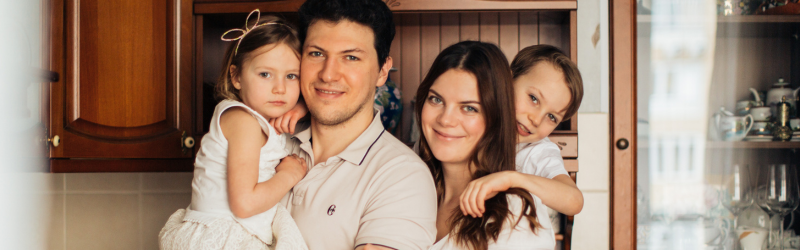
I was 11 years old when my parents decided to become foster parents. I was the oldest of my parents' 4 biological children and remember the family discussion we had about starting foster care. At this point, I had 2 sisters and a brother, so the idea of 1 or 2 more siblings didn't cause me much concern. My parents shared that they were not planning to foster any children with severe special needs as my mom was a stay-at-home parent and already had 4 children. The only other fostering scenario my parents felt they were not equipped to parent was pregnant teens.
Funny thing about foster care is that sometimes it is hard to say 'no' when your heart strings are being yanked on. Our family's first placement was an 11 year old boy with cerebral palsy and profound mental 'retardation' [now referred to as Intellectual Disability]. His story was sad and my parents couldn't say no. Although our new sibling had many needs and required a lot of our parents' attention, I was not threatened or remember feeling overlooked. Our lives sure did increase on the chaos scale, and I remember the heartbreak my parents suffered, when after a year, it was determined that his needs became too difficult for a family setting and he would need to be in a more residential care facility.
Our family's second placement was a 16 year old girl that was believed to be 2 months pregnant. This placement had a much more lasting impact on me as the oldest child in the family. My family fostered a countless number of children over the next 10 years and even adopted 4 special needs children throughout our journey.
Growing up in a family that provided foster care was challenging. There were many times that I resented my parents and other times that I asked why I didn't have my own caseworker. Above all - I can honestly say I was born and raised to work in the child welfare field and have the utmost respect and admiration for families that can provide care for our most vulnerable population.
Some tips that I would pass along to Resource Parents for their biological children:
- Resource parents should reassure their biological children that their role in the family remains important.
- Encourage empathy and understanding of trauma on an age-appropriate level.
- Involve your biological children in the transition/adjustment with age-appropriate tasks.
- Create opportunities for your biological children to express feelings and ask questions.
- Provide one-on-one time to your biological children.
- Ensure clear and fair rules are established for shared spaces and items.
Want to receive helpful foster care and adoption-related content delivered to your inbox each month? Sign up for our email newsletter here.