
Ask a Foster Care and Adoption Worker: How to Choose Your Age Range

One of the decisions new foster and adoptive families have to make is what age range they would like to be open to caring for. This can be a difficult decision, and so we rounded up some of the wisdom and experience of various members of our team to help guide families who are wrestling with this question.
What age ranges are available?
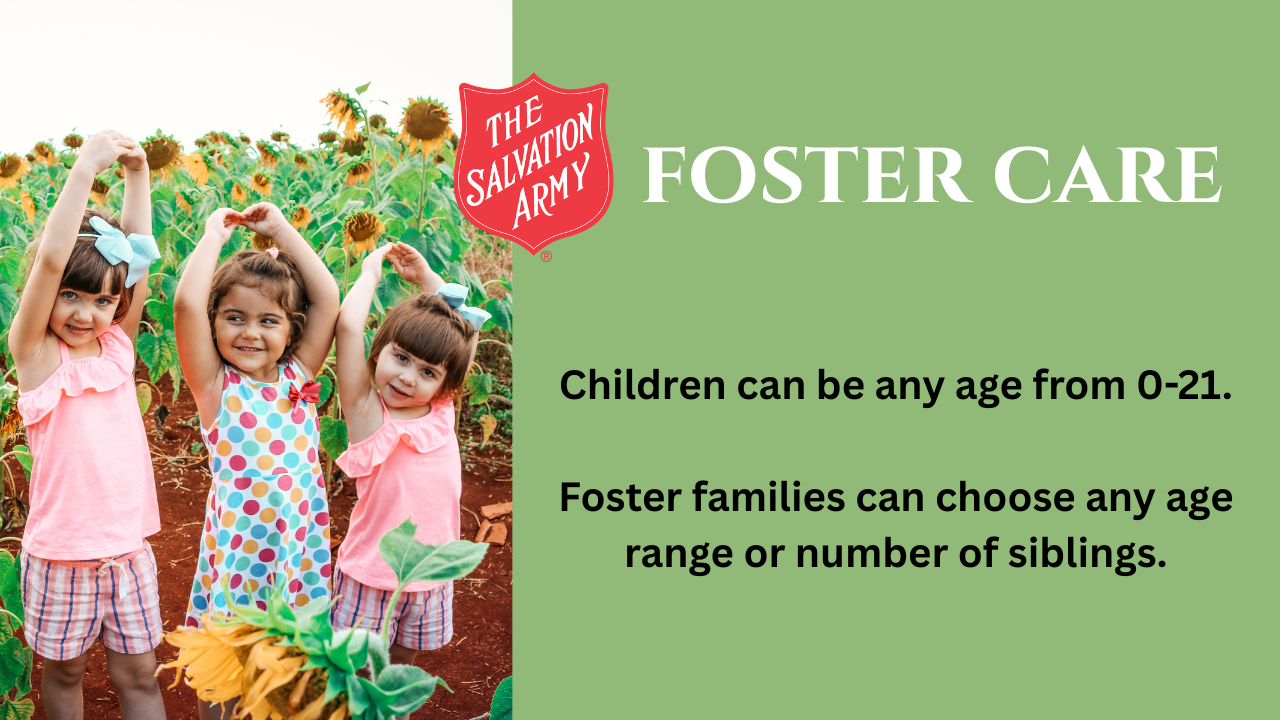
- For Foster Care - Children/young adults can range from 0-21 years old. Families can choose any age range.
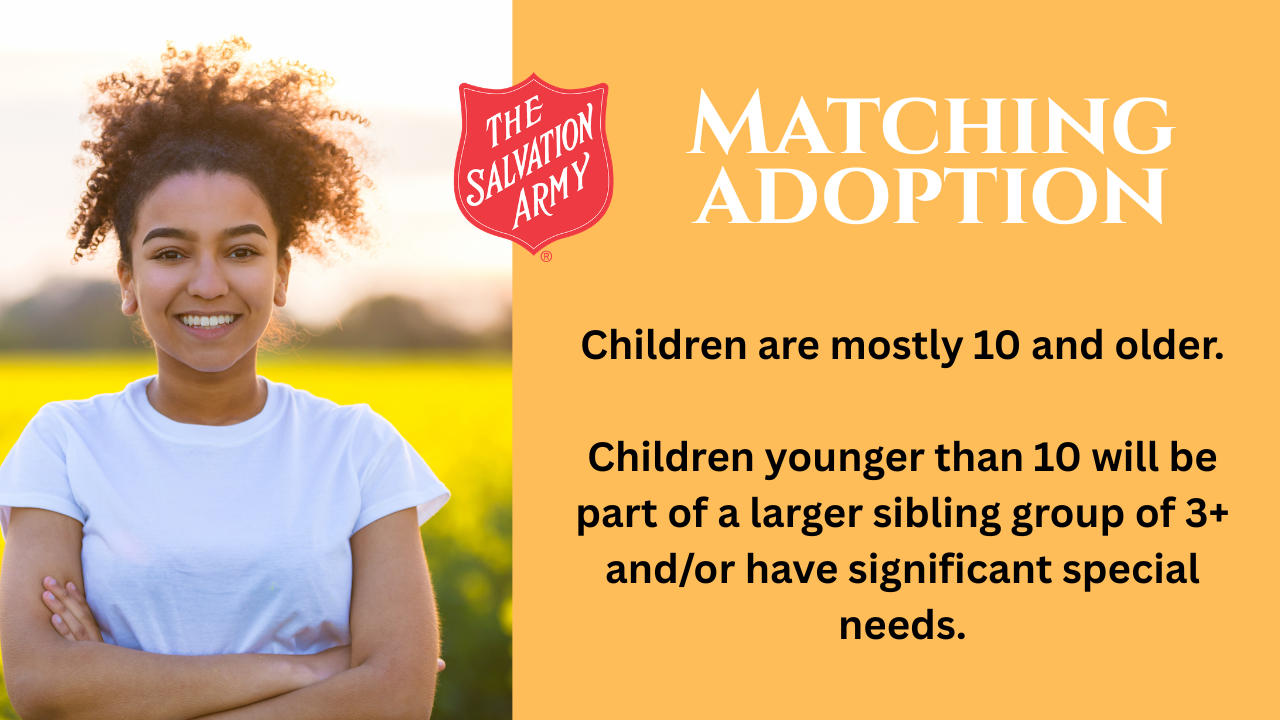
- For SWAN Matching Adoption - families must be looking for older youth 10+, larger sibling groups of 3+, and/or children with significant special needs to qualify as a matching adoption family. The majority of youth who are available for matching adoption are 10 or older. Those who are under 10 will either be part of larger sibling groups and/or have special needs.
We track each of our foster families' preferred age ranges using our secure online database. When we receive a referral for a child needing care, we are able to quickly cross-reference the referral with our list of families to see if we have a potential home for them. Then, we call any families who are a match, share information about the referral, and allow them the opportunity to decide if they would like to be presented to the county as a potential home.
It is important for foster families to remember that the wider their age range, the more potential referrals they will "match" with, and therefore the more calls they will receive.
While we are passionate about recruiting families who will provide loving and safe homes to children of all ages, we also understand that this is a personal decision for each family, and we never want to ask a family to stretch themselves beyond what is safe or appropriate for their own situation.
Here are some common questions about choosing an age range, and what our team has to say about them:
What should families consider when choosing their age range?
"Of primary importance: their available options for providing supervision to each age range - is there a stay at home parent, and if not, what child/youth care options do they have available? Other considerations: the impact of this decision on the rest of the family (other children, extended family) and their experience with various age ranges - but remember that ALL children grow up!" - Susan Rice, Family and Permanency Specialist
"I believe current day-to-day operations within the home is important to consider. Always remember, our bio children do not go through the same training we as adults do to bring foster or adoptive children into our homes. Bio children may never be ready for a child to come, until the day they arrive and someone else is in the home. Different things work for different families and different mindsets, but I think concerning yourself with birth order and even sex of the child is important when we're mixing with our 'normal' daily family dynamics. Older bio children, if brought into the conversation and they're on board, can help when bringing in younger children. Conversely if a family already has a 'younger' family (babies) and we bring in more babies - think of the change/added responsibility to the schedule. In terms of boys or girls - if we only currently have girls: should we fill our home with toys a boy might want to play with? If we only have boys, are there stuffies or dollies we can get for little girls? Are our current children good sharers? Will bringing more children into the home to share stuff bring additional turmoil?" -Ryan Bankas, Resource Family Specialist and Foster/Adoptive Parent
"They should think about what experience they have with kids and move forward with an age group they enjoy spending time with. If they're unsure, they should consider ways to get experience with various age groups: volunteer at a church youth group, offer to babysit for a friend, etc." - Laura Oursler, Family Support Services Director
"If you are looking for babies or young children, you will have to get ready to be flexible and make a quick decision without a ton of information as there will generally be lots of families open to these referrals. If you are open to school age children, keep in mind that children may not automatically be transferred to your local school, and may instead be transported to their home school district if that is determined to be in their best interest. If you are open to teens, think through what before and after school options are available since they likely won't be able to attend a traditional child care center." -Emily Anthony, Intake Specialist
Do you have advice for families about choosing their age range?

"Be open to expanding your age range as long as appropriate supervision can be provided." - Susan Rice, Family and Permanency Specialist
"I think they should really consider what is needed for children of all ages. Each age group will have a different set of needs and the family's ability to navigate services/meet those needs should be considered." -Laura Oursler, Family Support Services Director
"One suggestion I would make is to pick the age child you enjoy. Some families love babies, others actually enjoy teenagers. So don't feel weird or bad if you don't want a certain age - go with what you love." -Trisha Jennett, Foster Care Caseworker
"Children 10 and older are almost always overlooked by families. Older kids can be awesome too! The truth is that there are challenges and joys in every age group. But the intake worker in me feels such a soft spot for the children who just need somebody to take a chance on them, so if a family is willing to be flexible and consider caring for older kids, larger sibling groups, and/or kids with special needs, I would say to them - do it! You will be very popular and receive a lot of placement calls but more importantly, you will make an incredible impact." - Emily Anthony, Intake Specialist
Do you have to maintain birth order?
"You won't; even if you only take children younger than your own, your youngest will no longer be the youngest. Adding a child or children to your home will change your family." - Susan Rice, Family and Permanency Specialist
"That's tough and I think it really depends on the family and their current relationships with their kids." -Laura Oursler, Family Support Services Director
"When you welcome another child into your home, the birth order of your family will naturally shift. There's no way to keep it exactly as it was before. An only child may become an older sibling, and the youngest child may no longer hold that role. Rather than focusing on preserving birth order, it can be more helpful to consider your children's personalities, needs, and your overall family dynamic when deciding what age range might be the best fit." - Angie Gillen, Outreach and Training Director
"A lot of people talk about birth order in foster/adoptive families but forget that foster children are almost always asked to disrupt their own birth order. If you decide to foster a baby because you want them to be the youngest child in your family, but they are the oldest/only child in their birth family, you have disrupted their birth order. I don't think it's fair that foster children are always the ones who are asked to sacrifice or adjust the most, when they are not the ones who chose this path. I think rather than making a blanket rule on birth order, it would be helpful to consider each potential placement in terms of what is best for EVERYBODY - both your birth children and the foster child - and determine if your family could offer a safe and loving environment for the child. This will probably mean disrupting birth order for at least one child, but you as the parents can help to ease the transition and make sure everyone can thrive." -Emily Anthony, Intake Specialist
What are some misconceptions that families have?
"Thinking that a chronologically aged child will be the same age emotionally, educationally, relationally, etc. Also, the lack of understanding of the impact of the trauma of being removed from your birth family at ANY age." - Susan Rice, Family and Permanency Specialist
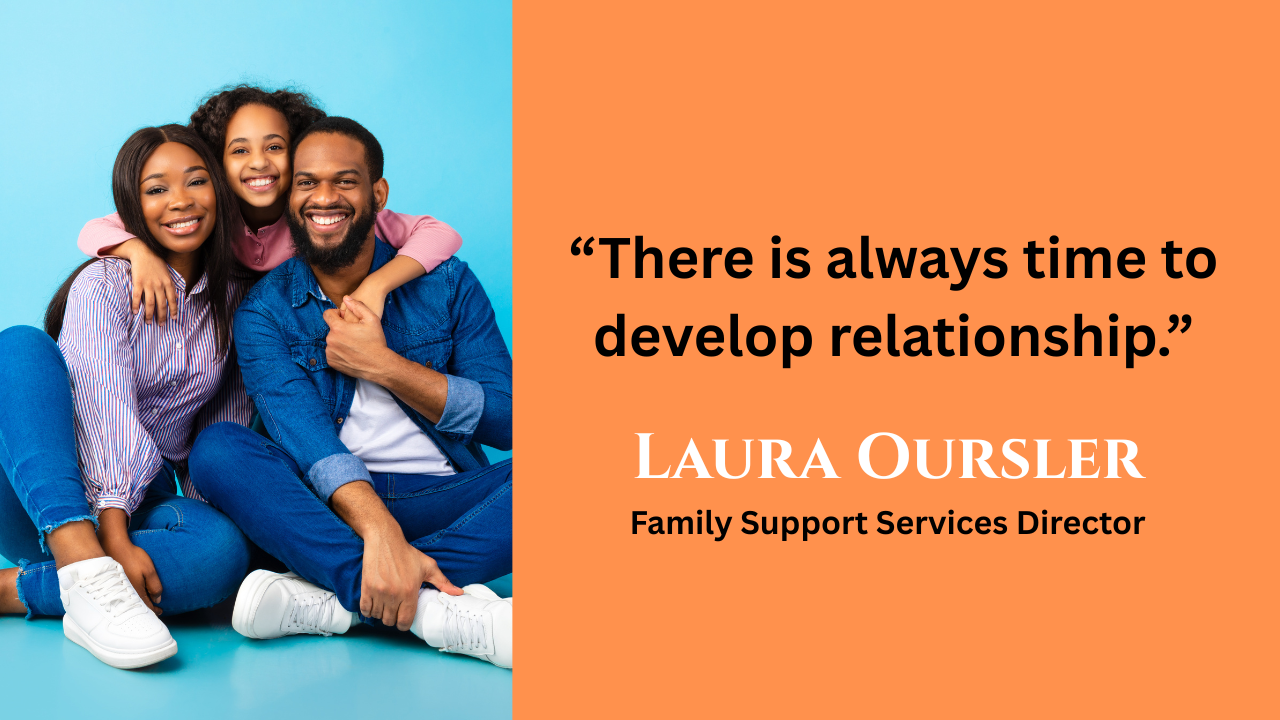
"I think most families think there will be less trauma the younger a child is but we know that's not true. I also think that families think if they foster/adopt an older teen there won't be enough time to develop relationship before the youth moves on. There is always time to develop relationship and these older kids will continue to need a family and resources even after they move out." -Laura Oursler, Family Support Services Director
"I have families tell me all the time that they want a young child so that they can shape their personality and avoid any of the scarier behaviors that older kids may have. But babies aren't blank slates. Genetics, prenatal trauma, substance exposure, and family separation all play a role in who a young child will grow up to become and the struggles they may have. I think families are understandably worried about not taking on more than they can handle, but I would like to invite them to reframe their fears into an opportunity. As an adoptive parent myself, I have the amazing privilege of getting to know my kids for who they are - not who I wanted them to be - and learning about how to best support them each step of the way." - Emily Anthony, Intake Specialist
If you have a question for our staff that you would like to see answered in a future post, please contact us!
If you would like to receive foster care and adoption related content delivered to your inbox each month, you can sign up for our email newsletter here.