
Autism + Foster Care

April is Autism Acceptance Month, a time set aside to move beyond simple awareness and toward a world where individuals with autism are accepted, celebrated, and given the chance to thrive.
When it comes to foster care, acceptance is what autistic children need most - quite literally! The sad reality is that when we receive a referral for a child with autism - especially if the child has more significant support needs or symptoms such as delayed toilet training, non-speaking, or aggressive behaviors - it is extremely unlikely that a family will say "yes" to caring for them. But autism is a surprisingly common need within the child welfare system, with around 10% of children in care being on the spectrum (up to 5 times higher than in the general population). It is critical that we find families who are willing to provide loving, nurturing, and supportive care to these precious kids.
What is Autism?
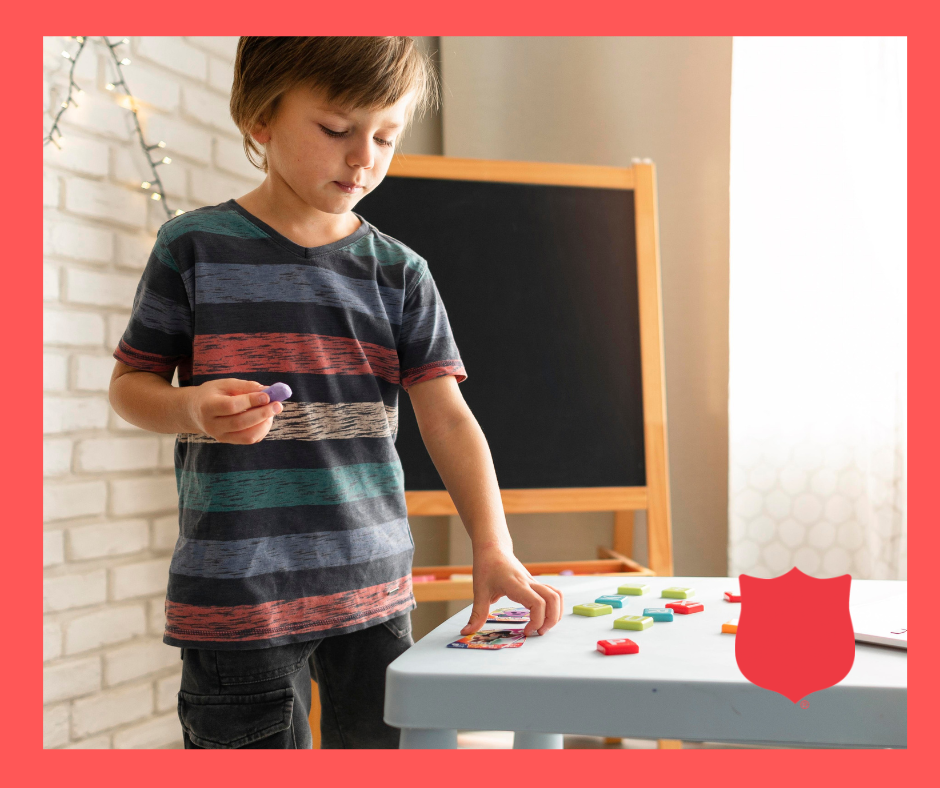
According to the Autistic Self Advocacy Network, "Autism is a developmental disability that affects how we experience the world around us. Autistic people are an important part of the world. Autism is a normal part of life, and makes us who we are...There is no one way to be autistic. Some autistic people can speak, and some autistic people need to communicate in other ways. Some autistic people also have intellectual disabilities, and some autistic people don't. Some autistic people need a lot of help in their day-to-day lives, and some autistic people only need a little help. All of these people are autistic, because there is no right or wrong way to be autistic. All of us experience autism differently, but we all contribute to the world in meaningful ways. We all deserve understanding and acceptance." (You can read their entire introduction to autism here.)
Some characteristics of autism in children, according to the Center for Disease Control and Prevention, may include:
- Avoids or does not keep eye contact
- Has unusual reactions to the way things sound, smell, taste, look, or feel
- Flaps hands, rocks body, or spins self in circles
- Plays with toys the same way every time
- Repeats words or phrases over and over (called echolalia)
- Gets upset by minor changes
- Has obsessive interests
- Is focused on parts of objects (for example, wheels)
- Delayed language skills
- Hyperactive, impulsive, and/or inattentive behavior
- Unusual eating and sleeping habits
- Lack of fear or more fear than expected
It is important to remember that autism is a spectrum, and affects all individuals differently. When you hear that a child is on the autism spectrum, you may be tempted to think about a stereotype or assume that you know what they will be like. But, every child is a unique individual with their own strengths, challenges, and needs.
Autism in Foster Care

We frequently receive referrals for children who are diagnosed or suspected to be on the autism spectrum. Foster parents are often asked to do something very difficult in these cases, which is to take a child without knowing all of the facts about their condition, and join them on the journey of discovering who they are and how to best support them. While this may seem really scary, it is also not that much different from a parent who gives birth to a child who is later diagnosed with autism. At the time of their birth, their parents don't know all of the details about how they will communicate and learn some day - they simply get to know and love them a little more each day, and learn together as time goes on.
While each child is different, these are some common characteristics that we see in many referrals for children with autism:
- Very sweet and loving
- Communication needs (may be non-verbal)
- Sensory needs including sensory-seeking and/or sensory-avoidant behaviors
- Wear pull-ups/diapers (may be working on toilet training)
- For school-age children, they may be enrolled in a specialized Autism Support classroom or receive support in the general education setting
- For preschool-age children, they may receive Early Intervention or Intermediate Unit services in the home or community and/or be enrolled in a specialized preschool program for children with special needs
- Special interests: may have a specific toy, show, or video game that brings them comfort and stability
- May have meltdowns - this is not intentional behavior, and needs support, not punishment
- Eloping behavior - some children require safety measures such as door alarms and close supervision
- Restricted eating - some children may have trouble eating a variety of foods and rely on a small group of "safe foods"; these children sometimes require help from a doctor or nutritionist to ensure that their dietary needs are being met
- Trouble sleeping - some children have trouble falling or staying asleep
- May or may not have co-occurring diagnoses like developmental delays/Intellectual Disability, ADHD, anxiety/depression, etc.
- Thrive on structure and routine
It is important to consider, also, how trauma affects our kids. Trauma can cause symptoms that mirror symptoms of autism. Trauma can also exacerbate challenges that autistic children may face. For example:
- A child who struggles with any changes to his environment or routine and thrives on structure and routine is removed from his home and placed into a foster home, where he is also enrolled in a new school. While this change would be disruptive and traumatic for any child, it is exponentially more stressful to this little one. The stress causes frequent meltdowns and behaviors. The foster parents struggle to manage these behaviors and ask for his removal. Now he is faced with yet another transition, and the cycle continues.
- A child who has very few "safe foods" greatly struggles because her parents rely primarily on food banks to feed their family. The food they receive each week is different and inconsistent. Sometimes her safe foods are available, while many times they are not. Her doctor raises concerns for neglect because she is not gaining weight as she should. However, her parents are not neglecting her - they simply need more specialized support to be able to provide the kinds of foods that their child will eat.
- A toddler who has very little safety awareness and constantly tries to elope is living in a family who has many stressors and is living in a motel on a busy street. The family sometimes resorts to overly restrictive methods in an attempt to prevent him from escaping from their room, such as confining him to a Pack N Play for most of the day, or keeping him strapped into a car seat while he is eating. Because he has spent the majority of his life in one small area, he has not had the opportunity to properly develop his fine and gross motor skills. When he enters foster care, he requires a significant amount of support and assistance to help him catch up in his development.
What Foster Parents Should Know
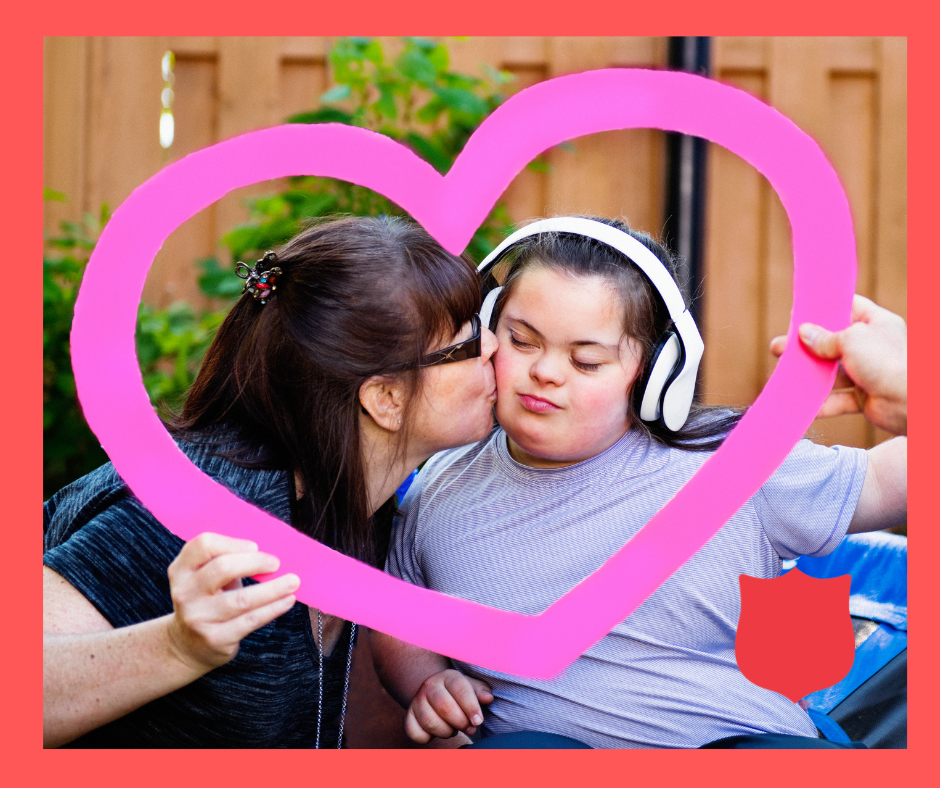
Just like all kids, children on the autism spectrum deserve to be loved and celebrated for exactly who they are.
Autistic kids DO NOT need foster parents who are experts in autism with years of experience caring for other autistic kids. We often hear, "I can't do that, I just wouldn't know what I'm doing." But everyone starts somewhere. There is lots of support available!
Autistic kids DO need foster parents who are patient, open-hearted, and genuinely willing to learn and grow along with the children in their care. It may take some time to get to know your child and how best to support them, but we will be there to support you every step of the way.
While caring for a child with autism may look a little bit different, it does not have to be scary. You can do it - and you will make such an amazing difference in a child's life.
Are you open to becoming a foster parent? Contact us to learn more!
Want to receive foster care and adoption-related content delivered to your inbox each month? Sign up for our email newsletter here.