
SWAN Matching Adoption vs. Adopting from Foster Care
Many families come to us with the goal of adoption, so naturally when presented with the choice between SWAN Matching Adoption or Foster Care, they are interested in SWAN. After all, that is the option with "adoption" right in its name!
As we work with new families, one of the first things we share with them is that there is much more complexity to this decision than they may think. For many families, the answer might not be so black and white.
If you're interested in adopting from the child welfare system, hopefully this post will be helpful for you in understanding your different options and choosing which one best aligns with what you have to offer to children.
First, our usual disclaimer: The Salvation Army Children's Services is located in Eastern Pennsylvania and serves families who live within a one-hour radius of Allentown, PA. Therefore, some of the information in this post will be specific to the PA child welfare system. If you are reading from another state, it's best to confirm what differences may exist within your state.
Is adoption right for me?
Before getting into the specifics, it's important to first take a moment to manage expectations surrounding adoption. It is important for hopeful adoptive parents to understand that adoption is complex and nuanced. As you delve into the world of adoption, you will likely find some people who want to characterize adoption as a beautiful, redemptive, and selfless act. You will find others who see it as traumatic, harmful, or dishonest. While these are both extreme and potentially biased opinions, there is truth to both sides of this argument.
Adoption is beautiful.
For children growing up without a safe and healthy family, adoption offers permanency, belonging, and security. It places children into families where they can be nurtured, cherished, and supported. The outcomes for children who age out of foster care without finding a forever family are grim, which is why we work so tirelessly to find loving and permanent families for these children.
Adoption is trauma.
However, adoption is never a child's first choice. To be adopted into a new family, you must first lose your own family. Whether this happens immediately after birth or much later, it always brings loss and trauma. While adoptive parents have the important role of supporting a child to safely process and heal that trauma, they will never be able to just "love them enough" to erase it.
If you are interested in pursuing adoption, please first take some time to learn more about adoption-related trauma and the unique role of parenting children from hard places. We say this not to discourage you from adopting, but to prepare you: parenting an adopted child will not be the same as parenting a biological child. But if you are willing to learn and embrace a different way of parenting, you can make an incredible difference for a child - and get the amazing opportunity to parent an incredible little human!
Adopting from the Child Welfare System
Once you have decided to move forward with adoption, the next thing you have to decide is whether adopting from the child welfare system is right for you. Here are some things to remember about adopting from the child welfare system (foster care):
- The child welfare system is not designed to be an adoption pipeline. The goal of this system is to strengthen, protect, and preserve families.
- When children enter foster care, the goal is for them to reunify with their birth families. If reunification is not possible, the next best thing is for a child to live with kin. This could include biological relatives or non-relatives who are closely connected to the family such as neighbors, teachers, godparents, friends, etc.
- All children in foster care are affected by trauma. They need patient, loving, and trauma-informed caregivers. They may have special needs or challenging behaviors stemming from their trauma. Adoptive parents need to understand that this is part of adoption from foster care.
Foster Care or Adoption?
Now this is the part that gets confusing. While all children enter foster care with the same goal (reunification with their biological family), foster and adoptive families have the option to meet children at different stages of the process.
Foster families care for children while their parents are working toward reunification. They provide stability and love for children during the confusing and uncertain time of foster care. If reunification is not possible, foster families are given the opportunity to adopt the children in their care. If children are not able to go home and don't have any kinship options, the next best thing for them is to be adopted by the foster family that has already been caring for them. This is a home where they are familiar and comfortable, and it means that they will not have to be disrupted by moving to another home.
SWAN Matching Adoption exists to match hopeful adoptive families with children who are at the end of their foster care journey (unable to go home, and don't have any kinship options) but who do not have a foster family who is willing or able to adopt them. The purpose of the SWAN Matching Adoption program is to find permanent homes for these children who are most at risk of aging out of the system without finding a permanent family.
Most people are very surprised to learn that of all the adoptions we finalize at The Salvation Army Children's Services, roughly 2/3 (66%) of them start as foster care placements, while only 1/3 (33%) of them are through matching adoption.
Why is this? There are several factors:
- The children available through SWAN Matching all meet at least one of these criteria: age 10 or older, larger sibling groups of 3 or more children wanting to be adopted together, and/or children with significant special needs. These children are considered "harder to place" as many potential adoptive parents do not feel equipped to manage the needs of these groups of children.
- Foster care is a long and sometimes unpredictable journey. Even if foster parents did not start the process with the goal of adoption, by the time the child they are caring for is in need of an adoptive family, it is not uncommon for them to have been in their home for 1, 2, or even 3+ years. Often during this time, the family has developed a close bond with the child and can't possibly imagine them not being part of their family.
- Both families and children feel overwhelmed by the decision to commit to each other for a lifetime when they have only just met. Sometimes, this pressure causes adoptive families and/or the children placed with them to be more hesitant to move forward with placements, or to feel uncomfortable going through with adoption. On the contrary, families who commit to children temporarily through foster care often have the freedom to connect with each other more organically over time, causing them to develop deeper bonds as they go through the ups and downs of life together.
What About Foster to Adopt?
After learning more about both of these options, many families ask us about a third option: foster to adopt. These families are looking to be placed with a younger single child, smaller sibling group, or child(ren) without significant special needs for the purpose of adoption. While we completely understand this desire, we feel that the term "foster to adopt" is misleading because it implies that you are fostering with the purpose of adopting the child(ren). This is not fair to the children or their biological parents, who deserve the opportunity to work toward reunification. It is also not a guarantee that any foster care agency can make to a family, as we can never know at the time of a foster care placement whether the child will go home, be placed with kin, or be adopted.
Sometimes when children are placed into foster care, the county will request a "legal risk" family. This means that the family is willing to present as a potential adoptive resource for the child from the beginning of the case, so that the child has a secure plan in case they are not able to go home. When a family is asked whether they will be a legal risk placement, there is no promise being made to the family that adoption will be the outcome; rather, the family is making a promise to the county that if adoption is the outcome, they will consider being the adoptive resource. (There is no legal obligation or commitment behind this promise, so families are never obligated to move forward with an adoption unless they are 100% certain it is what they would like to do.)
Still Not Sure?
If you are trying to determine which path is best for your family, or you would like to learn more about each path, please download our free e-book below. And if you have any additional questions, we would love to chat!
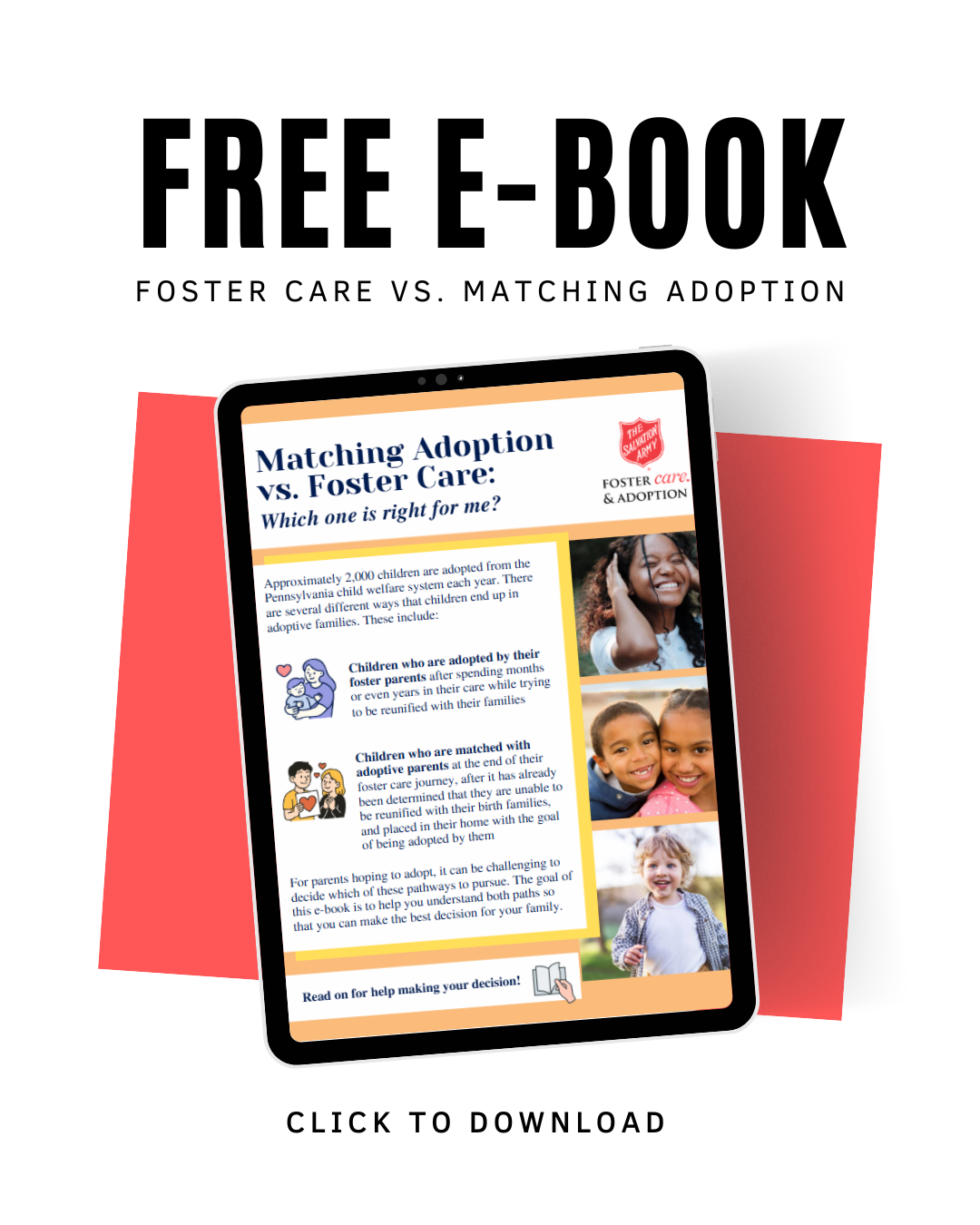
Having trouble downloading the e-book? Click here to read it online.
Want to get foster care and adoption-related content delivered to your inbox each month? Sign up for our newsletter here!